The Complete Guide to Thigh-Mounted Mic Belts for Theatre & Film
When a waist belt won't work with the costume, a thigh-mounted strap is the sound engineer's best friend. Here's everything you need to know.
Why Thigh-Mounted Mic Belts Are a Game-Changer
In theatre and film, not every costume allows a waist-mounted mic belt. Low-cut dresses, shirtless scenes, tight-fitting outfits, and period costumes all make waist mounting impossible or visible. That's where thigh-mounted mic belts come in.
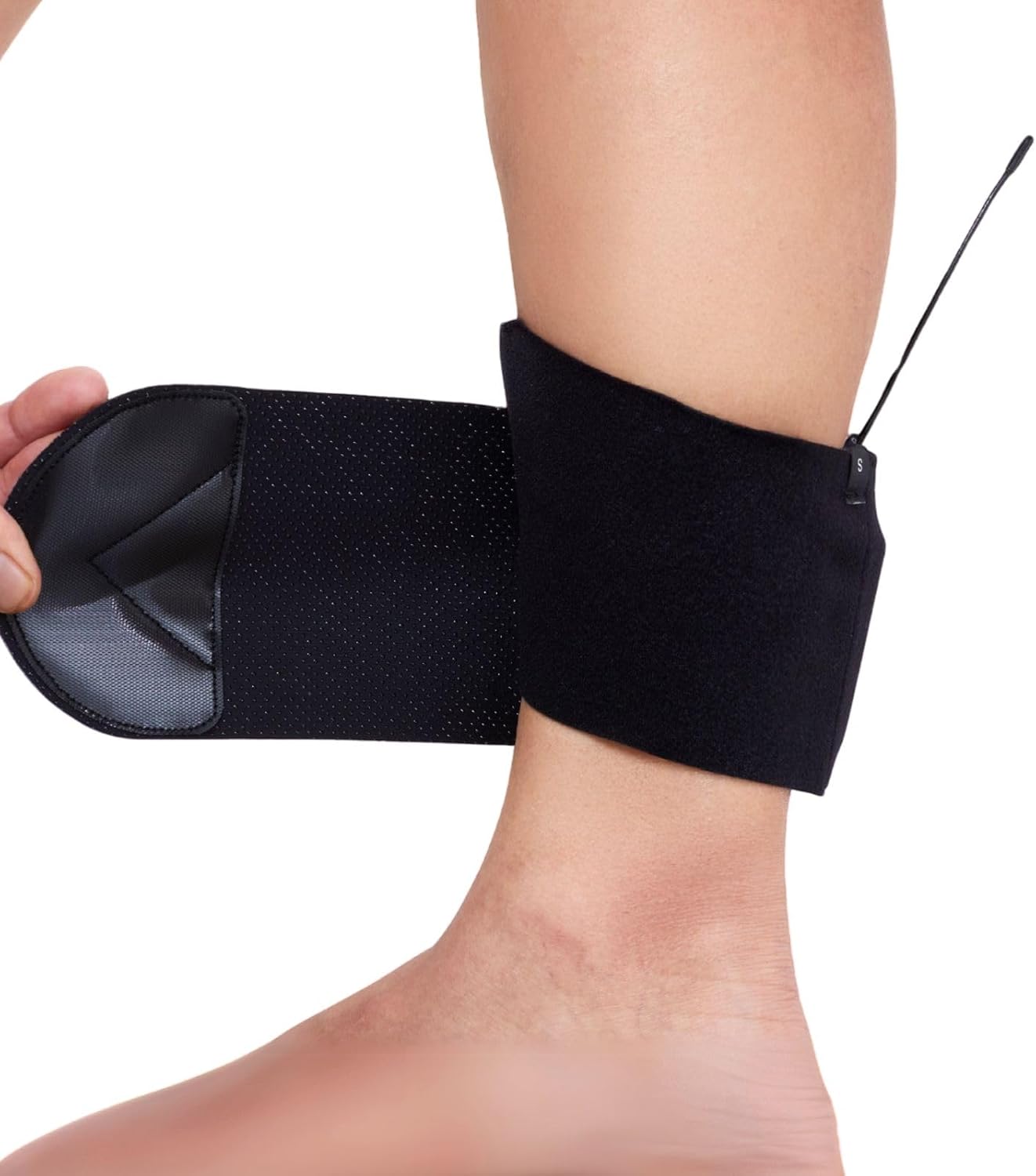
A thigh mic belt straps the wireless transmitter to the upper leg, keeping it completely hidden under skirts, loose pants, or long coats. For sound engineers, it's the go-to solution when the costume department says "no" to a waist belt.
When to Choose Thigh Over Waist
- Low-cut or backless costumes: When a waist belt would be visible at the neckline or back opening.
- Tight-fitting outfits: Bodycon dresses, fitted suits, or spandex where a waist belt would create a visible bulge.
- Shirtless or minimal clothing scenes: Film and theatre scenes where the performer's torso is exposed.
- Dance-heavy productions: When waist movement is extreme and a belt might shift or become uncomfortable.
Key Features to Look For
Not all thigh straps are created equal. Here's what separates a professional-grade thigh mic belt from a cheap alternative:
- Anti-slip interior dots: Silicone dot patterns on the inside prevent the strap from sliding down the leg during movement. Essential for dance numbers.
- Breathable, sweat-wicking fabric: The inner thigh is a high-sweat area. Breathable fabric prevents discomfort during long performances under hot stage lights.
- Adjustable sizing (S/M/L): Thigh circumference varies significantly between performers. Multiple sizes ensure a snug, secure fit for everyone.
- Secure pocket closure: The transmitter pocket must hold the device firmly — even during jumps, spins, and quick costume changes.
Black vs. Beige: Which Color?
Color matters more than you'd think. Under light-colored costumes (white dresses, cream pants), a black strap can show through the fabric. Beige blends better with skin tones and light fabrics.
For dark costumes, black is the obvious choice — it disappears completely. Many sound departments stock both colors to cover any costume scenario.
Sizing Tips for Thigh Straps
Always measure the performer's thigh circumference at the point where the strap will sit (usually mid-thigh, about 6 inches above the knee). Our thigh belts come in S, M, and L:
- Small: For slimmer builds and younger performers
- Medium: The most common size for average builds
- Large: For larger builds or when wearing the strap over leggings/tights
When in doubt, go one size up. It's easier to tighten a slightly loose strap than to stretch one that's too small. And remember: the strap will feel tighter after a few hours of wear as the performer sweats and the fabric grips more.
Pairing with Blister Prevention
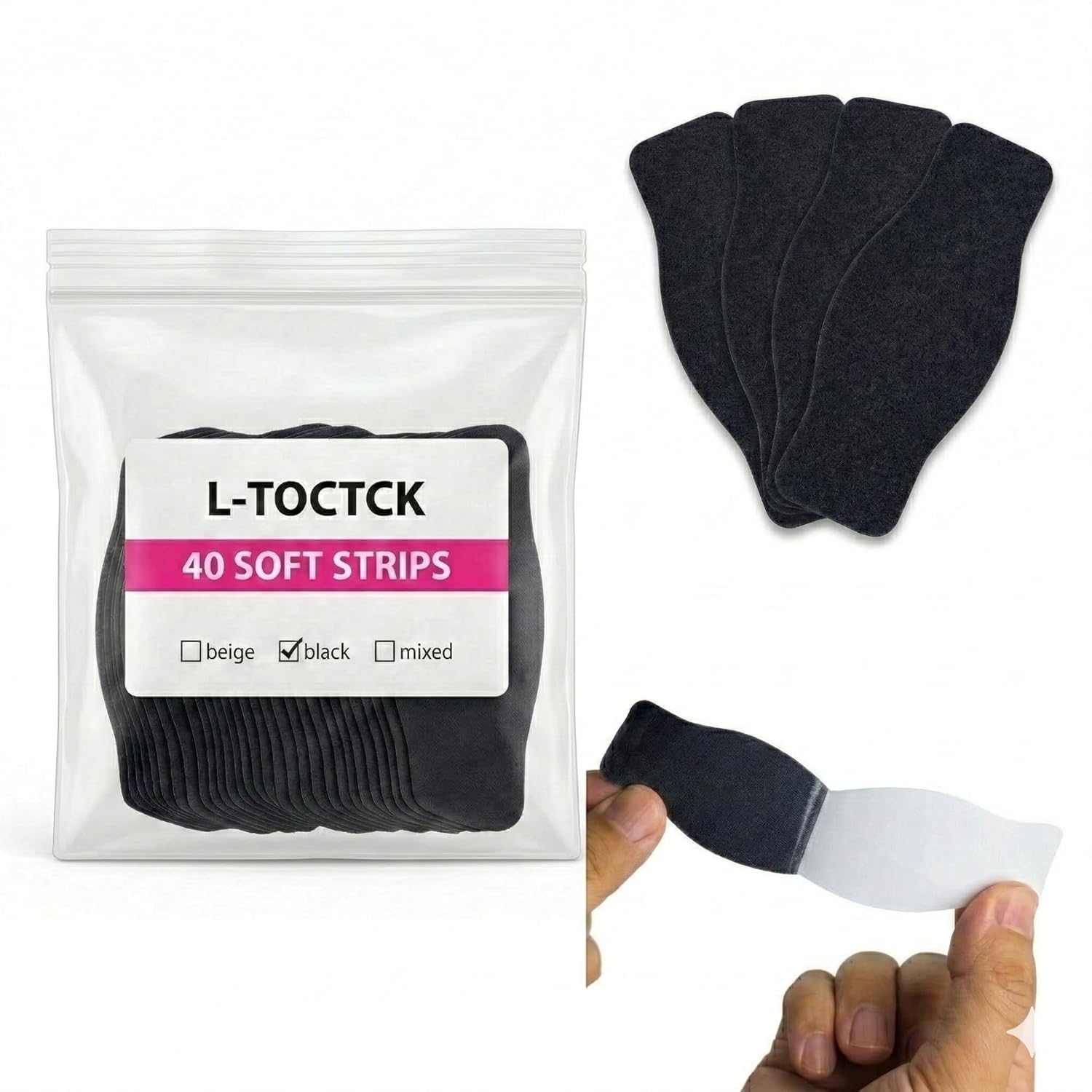
For productions with 8 shows a week, thigh-mounted straps can cause friction and skin irritation on the inner thigh. We recommend pairing your thigh mic belt with Blister Prevention Strips — thin adhesive patches that create a barrier between the strap and skin.
Upgrade Your Sound Setup
Browse our full range of thigh mic belts and transmitter straps.