How to Prevent Blisters and Skin Irritation from Mic Belts
Eight shows a week, hot stage lights, and a mic belt strapped to your body for hours. Skin irritation is one of the most common complaints from performers — here's how to prevent it.
Why Mic Belts Cause Skin Irritation
Mic belts are designed to stay in place — which means they press against the skin for extended periods. Under stage lights or during physically demanding scenes, sweat builds up and the constant friction between the belt and skin creates the perfect conditions for blisters, chafing, and redness.
The problem is especially common with waist-mounted belts worn under tight costumes, where there's no room for the skin to breathe and the belt can't shift position naturally.
The High-Risk Areas
- Lower back and waist: Where the mic belt buckle or edge digs in during bending and movement.
- Inner thigh: For thigh-mounted straps, especially during dance-heavy productions.
- Collar and neckline: Where costume collars rub against skin during quick changes or long scenes.
- Cable routing paths: Anywhere a mic cable runs under clothing and creates a pressure point.
Prevention: The Practical Approach
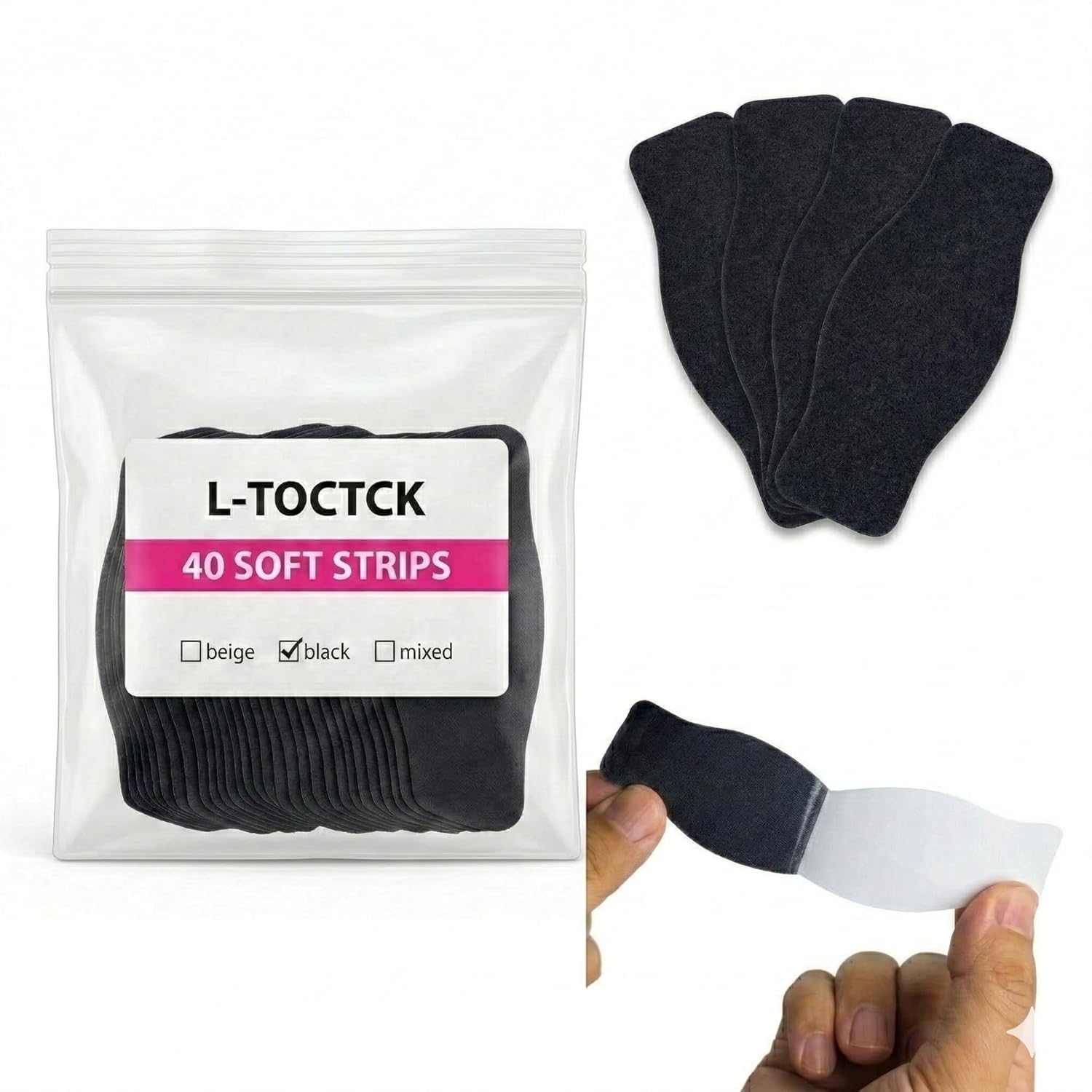
The most effective solution is a physical barrier between the belt and the skin. Blister prevention strips — thin, stretchy adhesive patches — create a cushioned layer that eliminates direct friction.
Unlike moleskin tape sold in pharmacies (which is often too thick, too stiff, or leaves residue), purpose-made strips for performers are designed to:
- Flex with the body during movement without peeling off
- Stay in place through sweat and heat under stage lights
- Remove cleanly without leaving sticky residue on skin or costumes
- Work on both skin and fabric surfaces (including costume collars)
Also Useful for Securing Mic Cables
Sound engineers have discovered a secondary use for these strips: securing lavalier mic cables to the body without using gaffer tape directly on skin. A small strip placed over the cable holds it flat against the skin, preventing rustling noise while remaining gentle enough to remove between shows.
This is particularly useful for chest-mounted mics on performers who are active on stage — the strip keeps the cable from bouncing and creating handling noise during quiet scenes.
How Many Do You Need?
For a typical production run, plan on 2–4 strips per performer per show. A pack of 40 strips covers a cast of 10 for a full week of performances — or a single performer for an entire run of a long-running show.
For touring productions, stock enough for the full tour. Each pack of Blister Prevention Strips includes 40 individual patches in an ergonomic curved design for maximum coverage.
Protect Your Performers
40 strips per pack. Stretchy moleskin fabric, no residue.